The Real Costs, Setup Reality, and Who Will Regret It
Starlink is everywhere on Nigerian social media now. Your friend in Lekki just got it. Your cousin in Abuja is bragging about the speed. Someone on Twitter is posting 200Mbps screenshots. And you're thinking, "Maybe I should get this thing too."
Starlink is everywhere on Nigerian social media now. Your friend in Lekki just got it. Your cousin in Abuja is bragging about the speed. Someone on Twitter is posting 200Mbps screenshots. And you're thinking, "Maybe I should get this thing too."
Wait.
Before you rush to buy Starlink, let me save you from expensive regret. Starlink is good, very good actually, but it's not for everybody. Some people will love it. Others will waste their money and still go back to their regular ISP.
Let me show you the real costs, the setup reality that nobody talks about, and help you know if Starlink is actually for you.
When most Nigerians see the Starlink price online, they don't understand what they're getting into. Let me break down what you'll actually pay:
This is what you pay once for the Starlink kit. It includes the dish (the round thing that goes outside), the router, cables, and mounting equipment. Yes, ₦590,000. Not small money.
Residential Plan: ₦57,000 per month
This is the standard plan for home use. Every month. No negotiation. No "can I pay half this month?" And the painful part? Starlink doesn't care if you used 1GB or 1000GB. You must pay the full ₦57,000.
Roam Plan: ₦38,000 per month
This is for people who want to use Starlink while moving around. You can take it anywhere in Nigeria or even travel abroad with it. Good for people who move between locations often.
Business (Fixed Site): ₦159,000 per month
For businesses that need priority service and higher speeds. The hardware is the same ₦590,000, but the monthly cost is much higher.
So your first month total for Residential = ₦590,000 + ₦57,000 = ₦647,000
Let that sink in. Six hundred and forty seven thousand naira just to start.
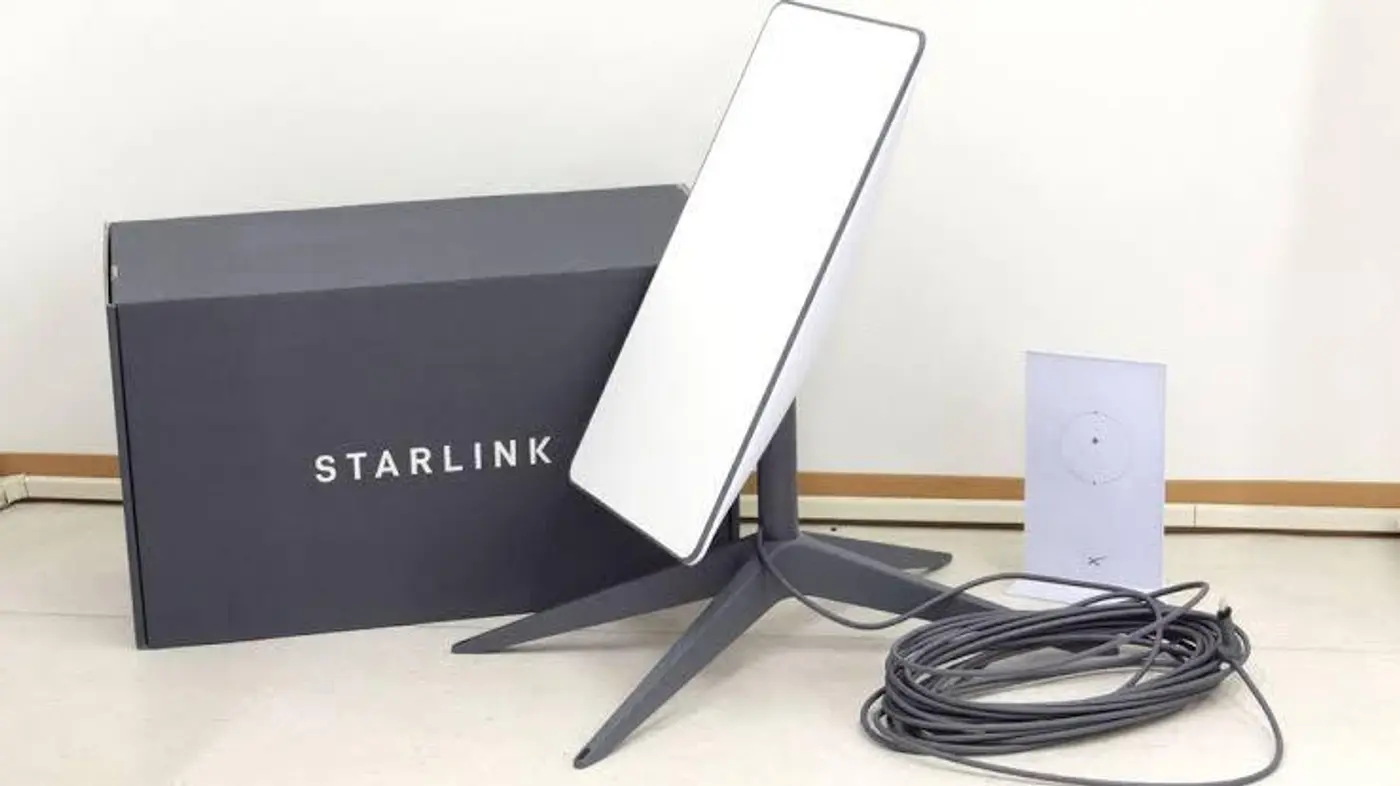
Starlink says installation is "self install" and easy. But reality is different. If you're handy and have good rooftop access, yes, you can do it yourself for free.
But many people end up paying:
Starlink uses about 50 to 75 watts of power when active. If you're on generator or inverter, calculate this into your power budget. It's not much, but it adds up over time.
First 3 months with Residential plan:
Can you afford this? Be very honest with yourself.
This is the biggest deal breaker. Starlink needs to "see" the sky clearly. No trees, no buildings, no obstacles in the way. The dish talks to satellites in space, so anything blocking the view kills your signal.
Many Nigerians live in areas with:
If this is you, Starlink will frustrate you. You'll get constant disconnections. Your video calls will freeze. Your downloads will stop and start.
Reality check: Before buying, go to your rooftop. Look up. Can you see wide open sky? If there are trees or buildings blocking your view, Starlink is not for you.
The Starlink dish may look sturdy, but Nigeria's weather is no joke. Strong winds, heavy rain, and harmattan can shift an improperly mounted dish. And without proper security, thieves can easily remove it.
You need:
Many people just place it on their roof thinking "it's heavy enough." Then they complain when their internet keeps cutting off because the dish shifted or cables got damaged.
Unlike your regular router where you can set it up offline, Starlink connects immediately and starts using your account. If you make mistakes during setup and have to restart multiple times, you're burning through your month already.
Let me be clear. Starlink is not bad. For some people, it's perfect. You'll love Starlink if:
If you're in places like remote parts of Ogun, Osun, Ondo, or rural areas where fiber doesn't reach and 4G is weak, Starlink is a lifesaver. It works almost everywhere in Nigeria, even in villages.
If you do video calls all day, upload large files, or your job depends on stable internet, Starlink's consistency is worth the money. No more "sorry, my network is bad" excuses.
If ₦57,000 per month is not a big deal for you, and you value good internet, go for it. But if you're struggling to pay this every month, it will stress you. Don't use your last savings to buy Starlink.
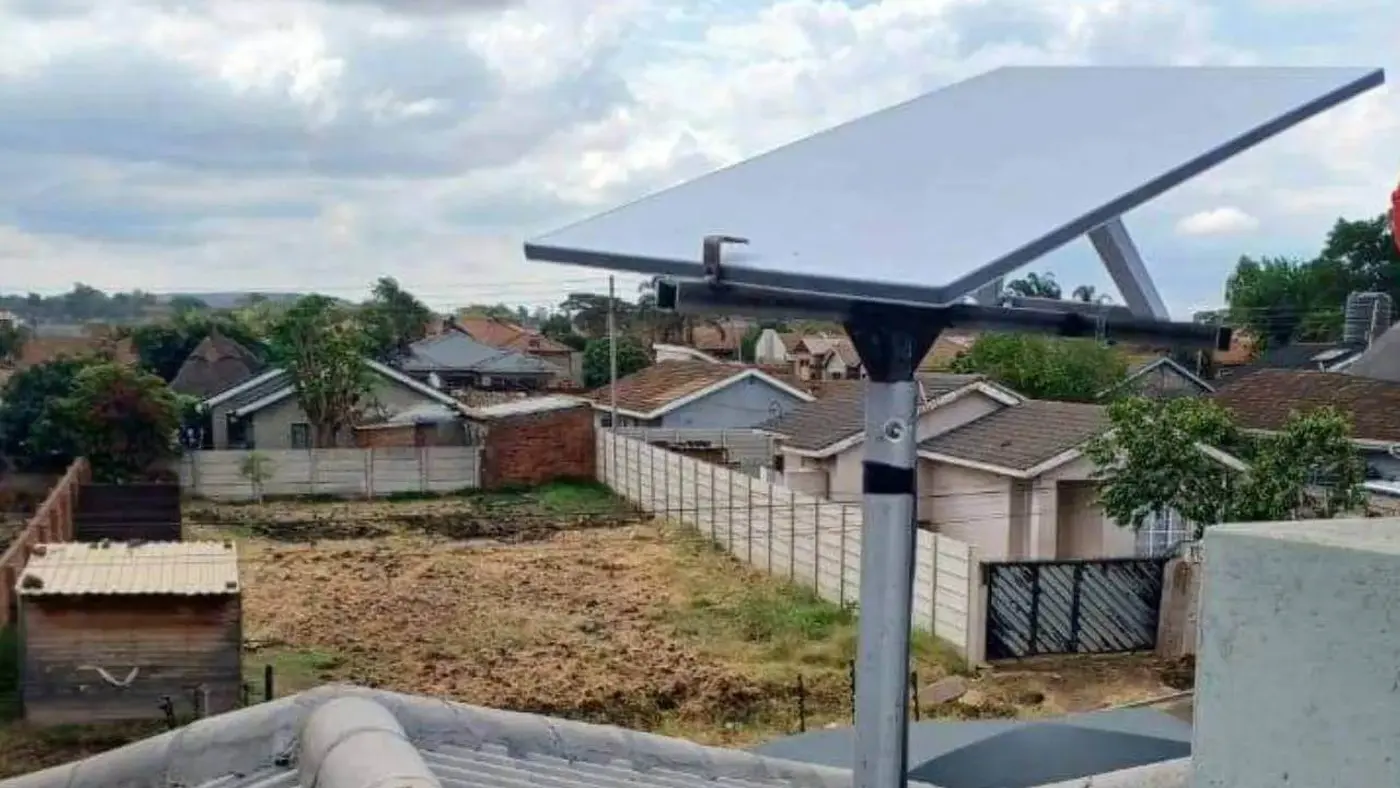
If your house has a flat roof, open sky, and you can mount the dish properly, setup will be smooth and it will work great.
Since Starlink only needs power for the dish and router (which you can run on small inverter), it's more reliable than fiber that depends on street equipment losing power.
If you're someone who travels between cities often or you work in different locations, the Roam plan at ₦38,000 makes sense. You can take your internet anywhere.
You'll waste your money if:
If you're in Lekki, VI, Ikoyi, parts of Abuja, or any area where fiber companies like Spectranet, Smile, or local ISPs give you good service for ₦15,000 to ₦30,000 monthly, why pay ₦57,000 for Starlink?
Unless your current provider is terrible, it doesn't make financial sense.
Many Nigerians are buying Starlink just to say "I have Starlink" or because their friend got it. This is expensive mistake. Buy it because you need it, not because it's trending.
If you only browse social media, check emails, and watch occasional videos, you don't need Starlink. A good 4G router or cheaper ISP will serve you fine. Why pay ₦57,000 for internet you barely use?
If you live in a rented apartment with no roof access, or you can't drill holes for mounting, or your landlord won't allow it, don't buy Starlink. You'll just frustrate yourself.
I've said this before but let me repeat. If your view of the sky is blocked, Starlink will not work well. Period. You'll get angry every time your call drops or your download stops.
Some people think they'll buy one Starlink and share with 5 neighbors to split the cost. This might work initially, but with many people using it, the speed will suffer. Plus, it's against Starlink's terms for residential use.
Before spending ₦647,000 on Starlink, have you tried:
Good 4G/5G routers: MTN, Airtel, and Glo have improved their data services. A good unlimited plan costs ₦20,000 to ₦35,000 monthly. Much cheaper.
Local fiber ISPs: Companies like Spectranet, Smile, Tizeti, and others offer 20 to 100Mbps for ₦15,000 to ₦35,000 monthly in major cities.
Sharing business fiber: If you're in an estate or close to neighbors, consider splitting the cost of a business fiber line. It might be cheaper than everyone getting individual Starlink.
Can I pause my subscription when traveling?
Yes. Starlink allows you to pause and resume your subscription. This is good if you travel often.
Can I move it from one location to another?
Yes with the Roam plan. The Residential plan is meant for one fixed address, but Roam gives you flexibility to use it anywhere.
What's the speed like in Nigeria?
Most users get 50 to 150Mbps download and 10 to 30Mbps upload. During peak times or bad weather, it can drop to 30 to 50Mbps. Still much better than most Nigerian ISPs.
Does rain affect it?
Yes, heavy rain can slow it down or cause brief disconnections. But it's not as bad as you think. Light rain doesn't affect it much.
Is the Business plan worth it?
Only if you're running a serious business that needs guaranteed uptime and priority speeds. For most small businesses, the Residential plan is enough. ₦159,000 monthly is very expensive.
What happens if it gets stolen?
Starlink dishes are registered to your account and won't work if stolen. But you still lose ₦590,000 worth of equipment. Make sure you mount it securely and in a safe location.
Starlink is excellent technology. The speed is real. The coverage is impressive. But it's very expensive for the average Nigerian.
Before you buy, ask yourself:
If you answered yes to most of these questions, go ahead and buy it. You'll probably be happy.
If you answered no to most of them, save your money. There are cheaper internet options that might work just fine for you.
Don't let social media pressure or FOMO make you spend almost ₦800,000 in three months on something you don't really need.
Do you have Starlink already? How has your experience been? Is it worth the money? Share in the comments below so others can learn from you.
Get an email when a new article is published.


Comments
Be the first to comment.