Practical Ways To Pay Less
You just got your electricity bill and your heart sank. ₦45,000? ₦60,000? ₦100,000+? Your units are finishing too fast not because NEPA is cheating you, but because of how you're using your appliances. Here are 7 things eating your money and practical ways to pay 30% to 50% less starting this month.
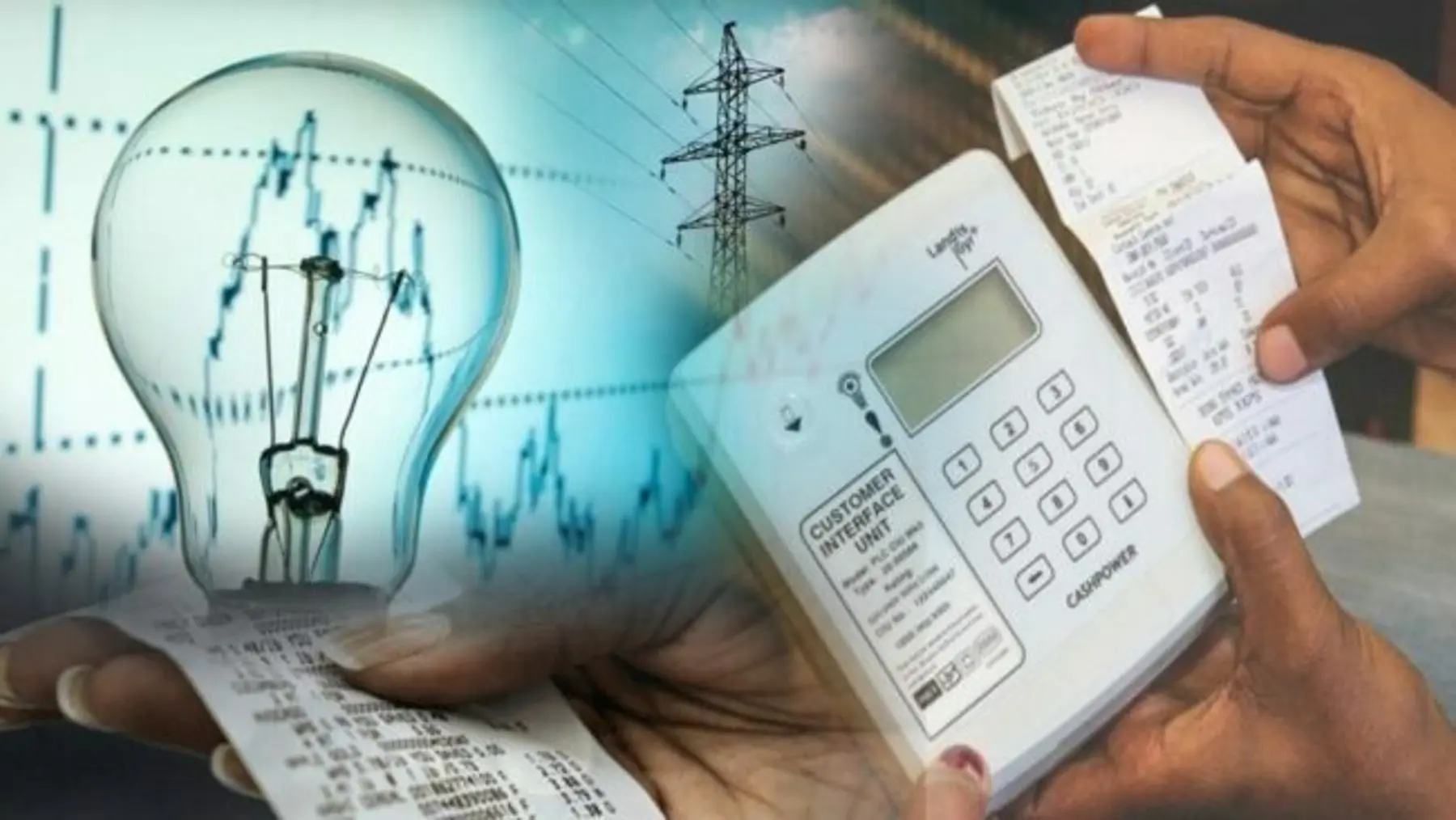
You just got your electricity bill and your heart sank. ₦45,000? ₦60,000? Some of you are even seeing ₦100,000+. You're wondering, "What am I using light for sef?"
Before you march to their office to complain, let me tell you something. Yes, some meters have issues and if you don't have a meter, estimated billing is wicked. But many Nigerians with prepaid meters are also doing things in their houses that are making their bills higher than necessary. Your units are finishing too fast not because NEPA is cheating you, but because of how you're using your appliances.
I'm going to show you the 7 main reasons your electricity bill is high, and practical ways you can pay less starting from this month.
This is the number one electricity killer in Nigerian homes. If you have AC, it's probably responsible for 40 to 60% of your total bill.
Practical ways to pay less:
Use a timer or turn it off when not needed. Don't leave AC running in empty rooms. If you're going out for more than 2 hours, off it.
Clean your AC filters every 2 weeks. Dirty filters make the AC work twice as hard. Just remove the filter, wash with soap and water, dry it, and put it back. This can reduce your AC power use by 15%.
Set temperature to 24 or 25 degrees, not 16. The colder you set it, the harder it works. 24 degrees is cold enough and uses much less power than 18 degrees.
Use fan with the AC. The fan uses very little power but spreads the cold air better, so you can set AC to 25 degrees and still feel comfortable.
After AC, your fridge is the second biggest power user because it runs 24/7. And many Nigerian fridges are old, dirty, or being used wrongly.
Practical ways to pay less:
Clean the coils at the back every month. Those black coils behind your fridge get covered with dust. When they're dirty, the fridge works harder. Just unplug, pull the fridge forward, and brush or vacuum the coils.
Check the door seal. Close the door on a piece of paper. If you can pull the paper out easily, your seal is bad. Cold air is escaping. Replace the seal (costs ₦3,000 to ₦8,000 but saves you money monthly).
Don't put hot food directly in the fridge. Let food cool down first. Hot food makes the fridge work much harder.
If your fridge is more than 12 years old, consider replacing it. An old fridge can add ₦10,000 to ₦15,000 to your monthly bill. A new inverter fridge uses 60% less power.
Many Nigerian homes still have those old bulbs. And people leave lights on in empty rooms all the time.
Practical ways to pay less:
Switch everything to LED bulbs. Yes, LED bulbs cost ₦1,500 to ₦3,000 each. But one LED bulb uses 80% less power and lasts 5 to 10 years. If you have 20 bulbs in your house and you switch all to LED, you can save ₦5,000 to ₦8,000 monthly.
Turn off lights when you leave a room. Simple but many people don't do it. Your corridor light doesn't need to be on 24 hours.
Use natural light during the day. Open your curtains. Why are you using light at 2pm when sun is shining outside?
These small appliances use massive power when they're on. Pressing iron uses 1,000 to 2,000 watts. Electric kettle uses 1,500 to 2,500 watts.
Practical ways to pay less:
For pressing iron: Press once a week, not every day. Gather all your clothes and iron them in one session. Pressing one shirt today, two tomorrow wastes power because you're heating it up multiple times.
Use lower heat settings. Not every cloth needs maximum heat.
For electric kettle: Boil only what you need. Don't fill the kettle full if you only need one cup.
Better still, boil water on gas stove. Gas is cheaper than electricity for boiling water in Nigeria.
Even when your TV, decoder, microwave are "off," they're still using power if they're plugged in. Your TV decoder alone can use ₦500 to ₦1,000 monthly just sitting on standby. Multiply this by 10 to 15 appliances and you're wasting ₦5,000 to ₦10,000 every month.
Practical ways to pay less:
Unplug appliances when not in use. Your TV, decoder, microwave, phone chargers (especially phone chargers). If you're not using it, unplug it.
Use extension cords with switches. Plug your TV, decoder, and sound system into one extension. When you're done watching, just flip the switch.
Water heaters can use 1,500 to 3,000 watts. If you leave it on for 2 hours daily, that's serious money.
Practical ways to pay less:
For water heater: Heat water only when you want to bathe. Don't leave it on all day. Turn it on 15 to 20 minutes before bathing, use it, then off it immediately.
Use gas heater instead if possible. Gas is cheaper for heating water in Nigeria.
For room heaters: Use blankets and warm clothes instead. Electric heaters use crazy power. Only use the heater for short periods when really needed.
Many Nigerians just use appliances anyhow and get shocked when the bill comes. You need to know what's using power in your house.
Practical ways to monitor and pay less:
If you have prepaid meter, check it daily. See how fast your units are going. Then start turning off things one by one to see what's eating your units.
Calculate your appliance usage. Use this simple formula:
(Appliance watts ÷ 1000) × Hours used × Days in month = Units used
For example: Your 1,500 watt AC used 6 hours daily: (1,500 ÷ 1,000) × 6 × 30 = 270 units monthly
If 1 unit costs ₦100, that's ₦27,000 just for one AC. Now you know where your money is going.
Wash and iron in bulk. Don't wash 3 clothes today and 2 tomorrow. Gather everything and do it once.
Use your microwave instead of electric stove when possible. Microwave uses less power for reheating food.
Cook with gas, not electric stove. Electric stoves use massive power. Gas is cheaper for cooking in Nigeria.
Plant trees around your house. Shade from trees can reduce indoor temperature by 3 to 5 degrees. Less heat means less AC usage.
Your electricity bill doesn't have to cripple you every month. Small changes add up to big savings.
Start with the biggest users: AC and fridge. Get those under control and you'll see immediate reduction. Then tackle the smaller things one by one.
Most Nigerians can easily reduce their electricity bill by 30% to 50% just by following these 7 tips. That could be ₦15,000 to ₦30,000 back in your pocket every month.
Try these tips for one month and watch your bill. You'll be surprised at the difference.
What has worked for you? What appliance shocked you with how much power it uses? Share your experience below so others can learn.
Get an email when a new article is published.


Comments
Great article, but in my case, I think I geta high bill because I am on band A. This is quite frustrating.