Buying land in Nigeria can be exciting, but one wrong move can lead to regret, disputes, or loss of money. This beginner friendly guide explains the important things to check before paying for land, from documents and verification to seller pressure, hidden costs, and common red flags.
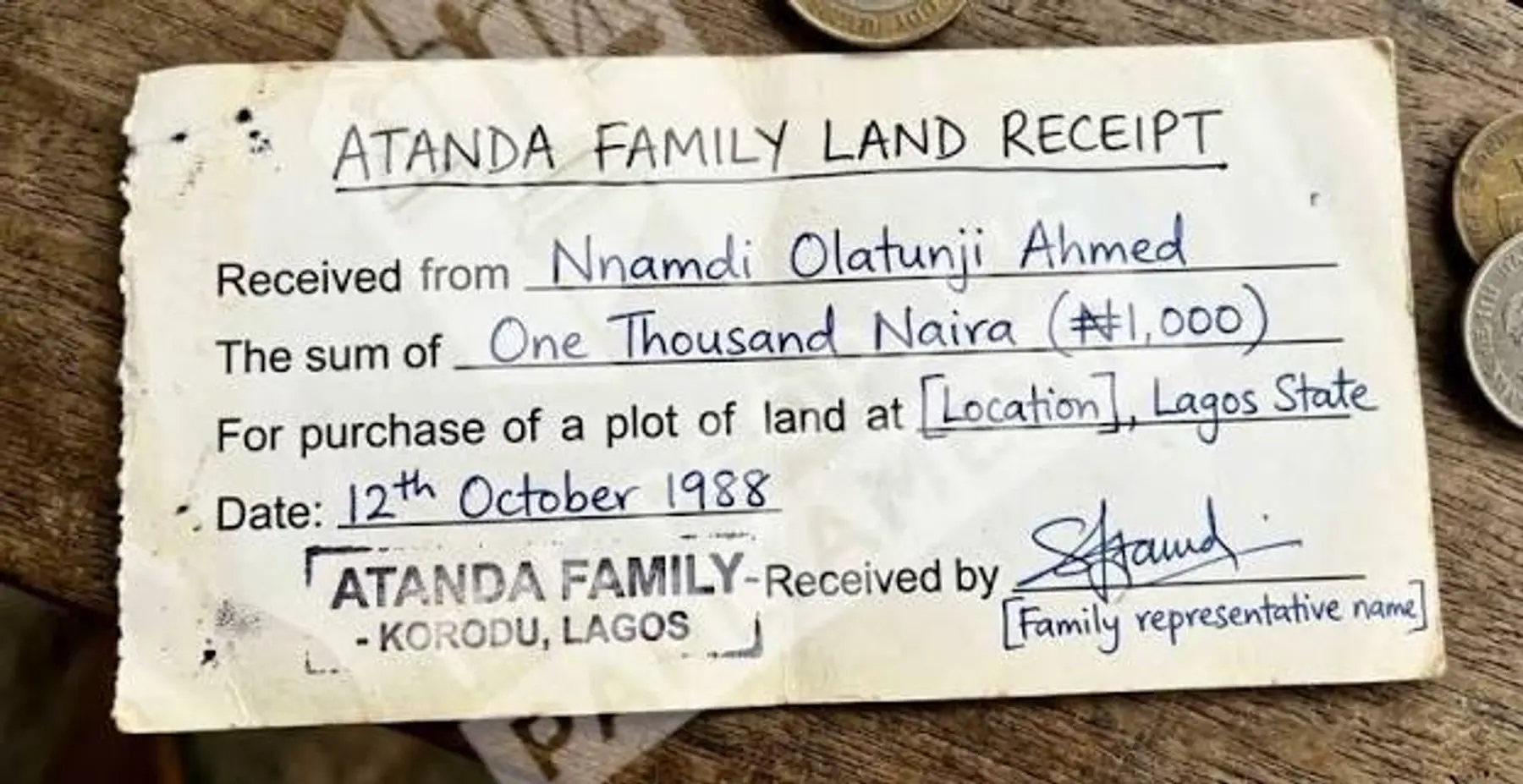
Buying land in Nigeria is one of the biggest financial decisions many people will ever make. For some, it is the beginning of their dream home. For others, it is an investment for the future. But as exciting as it sounds, buying land can also become a painful experience when it is done carelessly.
Many people have paid for land only to discover later that the seller had no real right to sell it. Some bought land that was already under dispute. Some paid because the price looked cheap, only to find out that the land was not safe to build on. This is why buying land should never be rushed.
This article is a simple beginner’s guide. It is not legal advice, but it will help you understand the basic things to check before you pay for land in Nigeria.
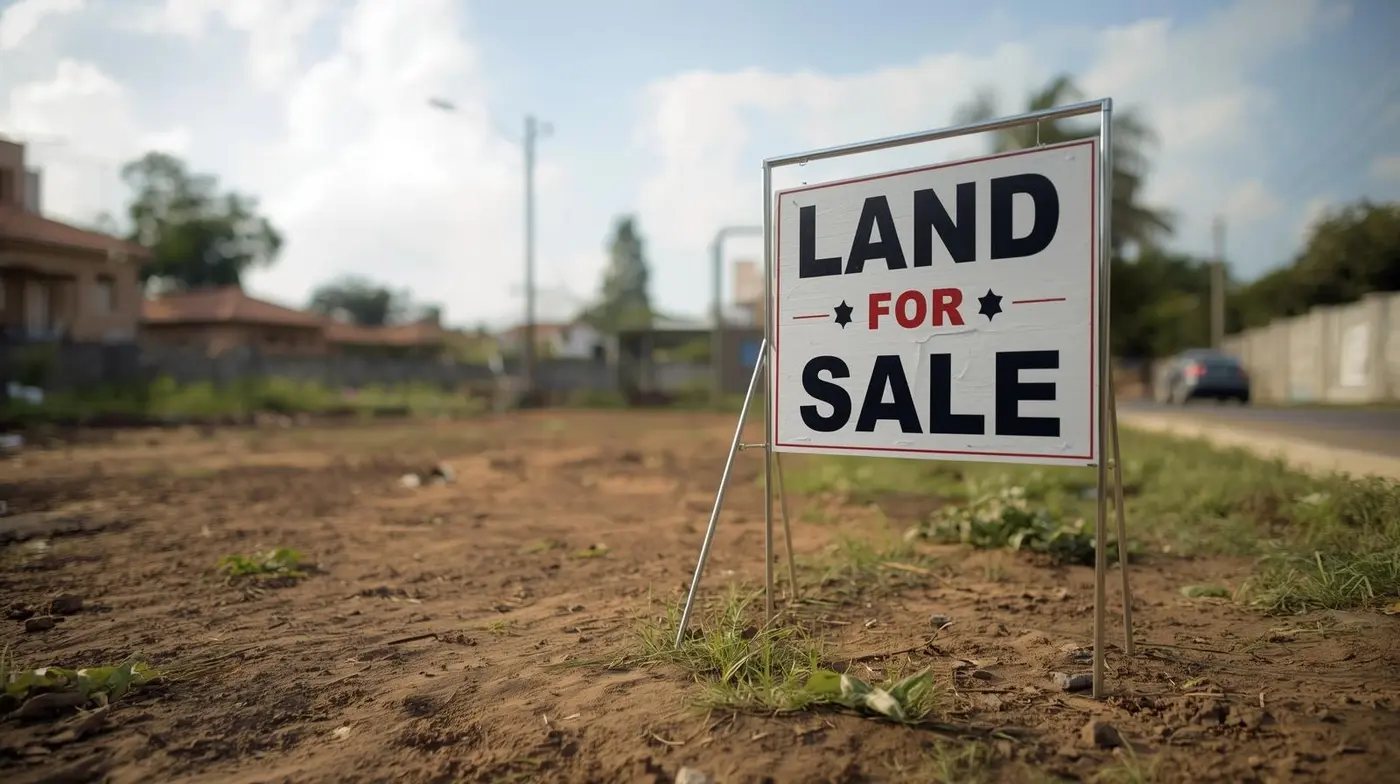
One of the easiest ways people enter trouble is by rushing to buy land because the price looks too good to ignore.
In Nigeria, cheap land is not always a blessing. Sometimes it is cheap because there is a problem. It may be under government acquisition. It may be family land with many people claiming ownership. It may have no clear access road. It may be in an area where development will be difficult.
Before you get excited about the price, ask yourself one question: why is this land cheaper than others around it?
A good deal should still make sense after proper investigation.
Not all land is the same. You may be buying from a family, an individual, a real estate company, a community, or an estate developer. Each one comes with its own risk.
Family land can be good, but it can also be risky if all the right family members are not involved in the sale. Estate land may look safer, but you still need to confirm that the company has proper title and the right to sell. Buying from an individual can also be fine, but you must confirm how the person got the land.
Under Nigeria’s Land Use Act, land in each state is vested in the Governor of that state and held in trust for the people. Urban land is generally managed by the state government, while non urban land is managed through local government structures.
This is why land in Nigeria is not something you should treat casually. You are not just buying space. You are buying a legal interest that must be properly confirmed.
Before you pay, ask for the documents connected to the land.
Some common documents you may hear about include Certificate of Occupancy, Deed of Assignment, Survey Plan, Governor’s Consent, Gazette, Allocation Letter, and Receipt of Purchase.
A Certificate of Occupancy is issued as evidence of a right of occupancy under the Land Use Act. Governor’s Consent is also important because the Land Use Act requires the consent of the Governor before a statutory right of occupancy can be transferred by assignment, mortgage, transfer of possession, sublease, or similar means.
Do not let anyone confuse you with big grammar. Ask simple questions.
What document does this land have?
Whose name is on the document?
Can this document be verified?
Is the land free from dispute?
Has the land been sold before?
Is the seller truly the owner or only an agent?
If the seller becomes angry because you are asking questions, that is already a warning sign.
Seeing a document is not the same as verifying it.
A fake document can look real. A photocopy can look convincing. A seller can speak with confidence and still be lying. This is why you need a proper search before payment.
A land search helps confirm the title, ownership, history, and status of the property. Real estate title records are kept at the relevant state land registry offices, and registered interests in land are recorded there.
At this stage, you should involve a property lawyer or someone who understands land verification. You may also need a registered surveyor to check the survey plan and confirm whether the land falls under government acquisition, committed land, road setback, drainage path, or any other restriction.
This may cost money, but it is cheaper than losing millions later.
Do not buy land only from pictures, videos, or sweet talk.
Go there physically. Visit during the day. Check the road. Check the environment. Ask questions around the area. Look at the kind of development happening nearby. Confirm whether people are already building there.
It is also wise to visit more than once. A land can look peaceful on your first visit, but a second or third visit may reveal things you missed.
Ask questions like:
Is there access road?
Is the land dry or waterlogged? (confirm in raining season)
Are there houses nearby?
Is there any visible boundary?
Is the area safe?
Are there disputes in the community?
Does the land match what was shown on the survey?
Buying land is not something to do with emotion alone. You need your eyes, your ears, and your common sense.
Many land problems start because buyers pay the wrong person.
If it is family land, make sure the principal members of the family are involved. Do not pay only one family member who claims to represent everybody. If it is company land, confirm that the company is registered and that the person selling has authority to sell. If it is an agent, confirm who the real owner is.
Do not be shy to ask for identification. Do not be shy to ask for proof. Do not be shy to request a proper agreement.
Once money leaves your hand, your bargaining power reduces.
A survey plan is very important because it shows the location, size, and boundaries of the land.
Without proper survey, you may think you bought one plot, only to discover later that the actual land is smaller, shifted, or overlapping with another person’s land.
A registered surveyor can help confirm whether the land matches the coordinates on the survey plan. This is especially important before fencing or building.
Never assume that because the seller pointed at a place, that is exactly what you are buying.
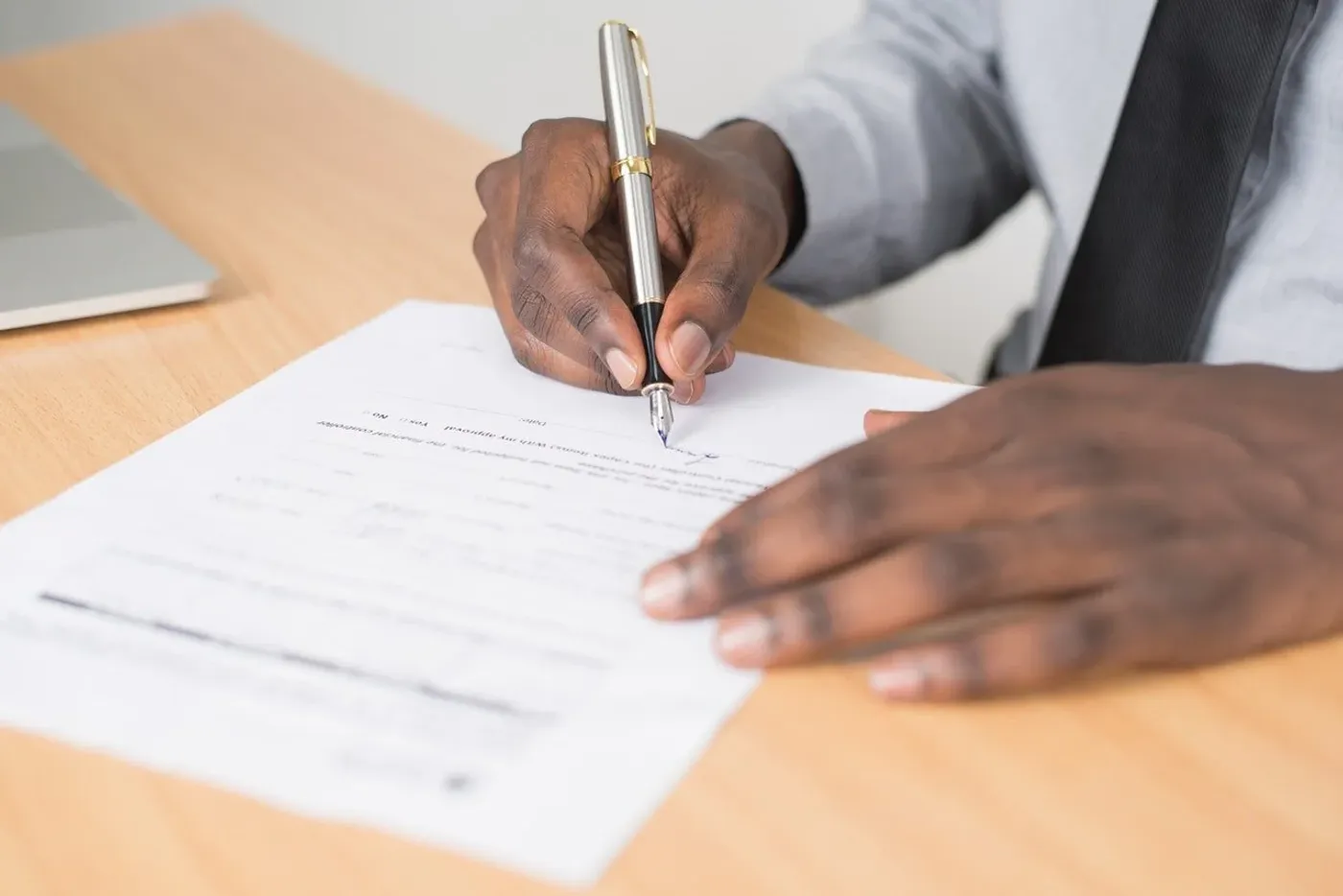
Verbal agreement is not enough.
After proper verification, make sure the transaction is properly documented. You need a written agreement that clearly states the seller, buyer, land description, amount paid, payment terms, and other important details.
Do not rely on receipt alone. A receipt only shows that money was paid. It does not explain all the terms of the transaction.
Also, avoid paying large sums in cash without proper record. Bank transfers, signed documents, witnesses, and professional guidance can protect you if issues come up later.
Some sellers will tell you another buyer is ready. Some agents will say the price will increase tomorrow. Some will say you must pay immediately to secure the land.
Do not allow pressure to push you into a bad decision.
Good land will not disappear because you took time to verify it. And even if another person buys it before you, it is better to lose a land opportunity than to lose your savings.
Pressure is one of the biggest tools used to make people ignore due diligence.
Many beginners think the only money they need is the price of the land. That is not true.
You may need money for legal work, survey, documentation, agency fees, community charges, fencing, clearing, security, and title perfection.
After land purchase, buyers usually need to begin the process of perfecting title, which may involve consent, stamping, registration, taxes, and fees depending on the land and the state.
So before you buy, ask for the total expected cost, not just the selling price.
This helps you avoid buying land and then getting stuck because you did not plan for the next expenses.
After buying land, many people rush to fence or start building. It is understandable because everyone wants to protect their property. But before building, make sure your documents are properly handled.
Keep copies of every document. Start the necessary registration or title perfection process. Confirm building requirements in the area. Make sure your survey and boundaries are clear.
A person who builds on a land with unresolved issues may spend more money correcting mistakes later.
Buying land in Nigeria is not something to fear, but it is something to handle wisely.
Do not buy because everyone is buying. Do not buy because the seller is friendly. Do not buy because the advert looks beautiful. Do not buy because the price is cheap.
Buy because you have checked, verified, understood, and confirmed that the land is safe for your purpose.
The goal is not just to own land. The goal is to own land with peace of mind.
In the next article, we will talk about what comes after land purchase: how to build your house in phases without a bank loan or breaking the bank.
Get an email when a new article is published.



Comments
Be the first to comment.