Everything You Need to Know Before Building
Many people only learn about DPC after their walls start bubbling and smelling damp. This guide explains what DPC is, how it works, and how it should be installed before you build.
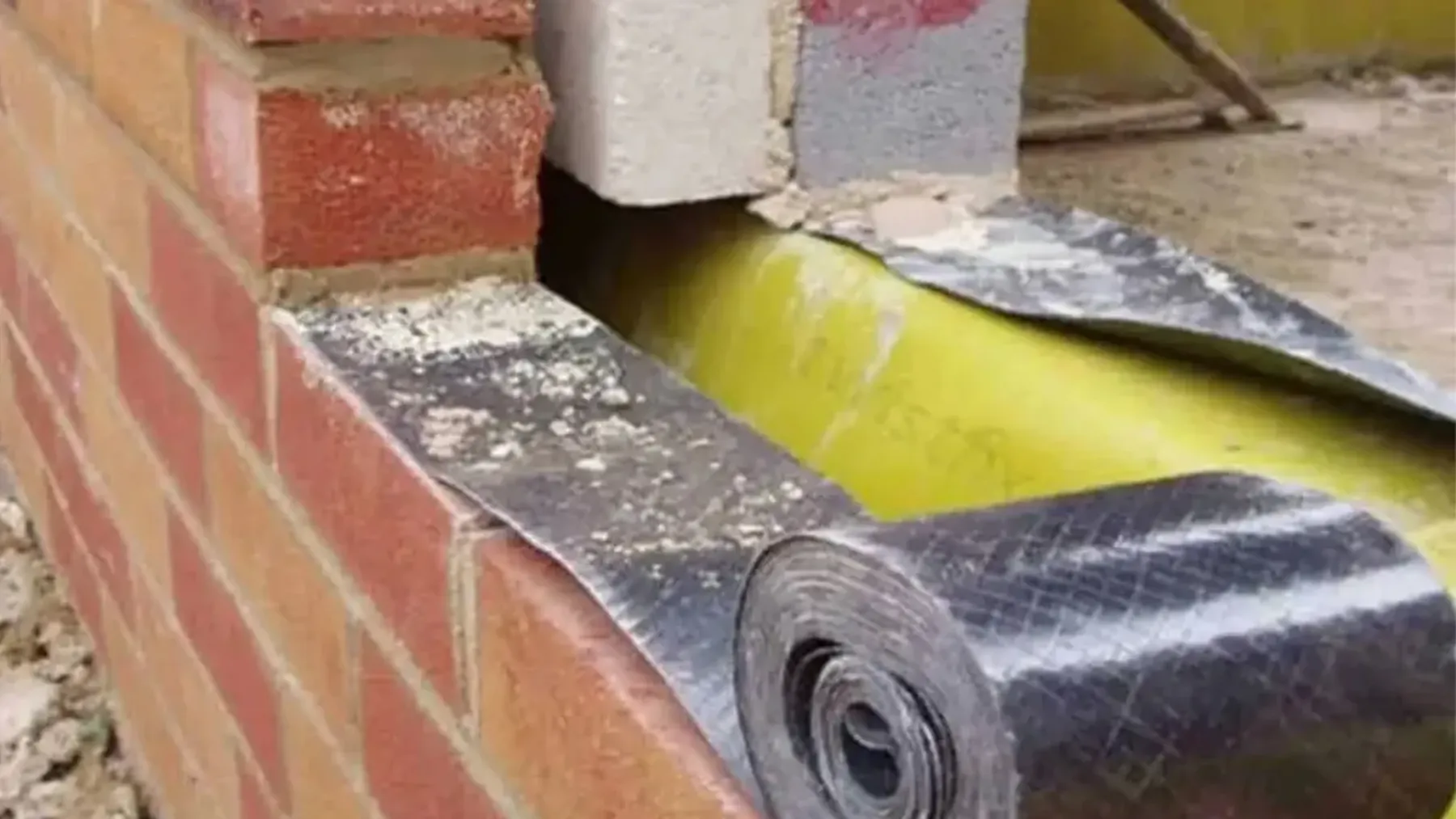
In my last article, you read about Biola who skipped DPC to save ₦105,000 and ended up spending ₦2 million to fix damp damage. Many of you asked: "What exactly is DPC? How does it work? Do I really need it?"
Today, I'm going to break down everything about DPC in simple terms so you can make the right decision for your building.
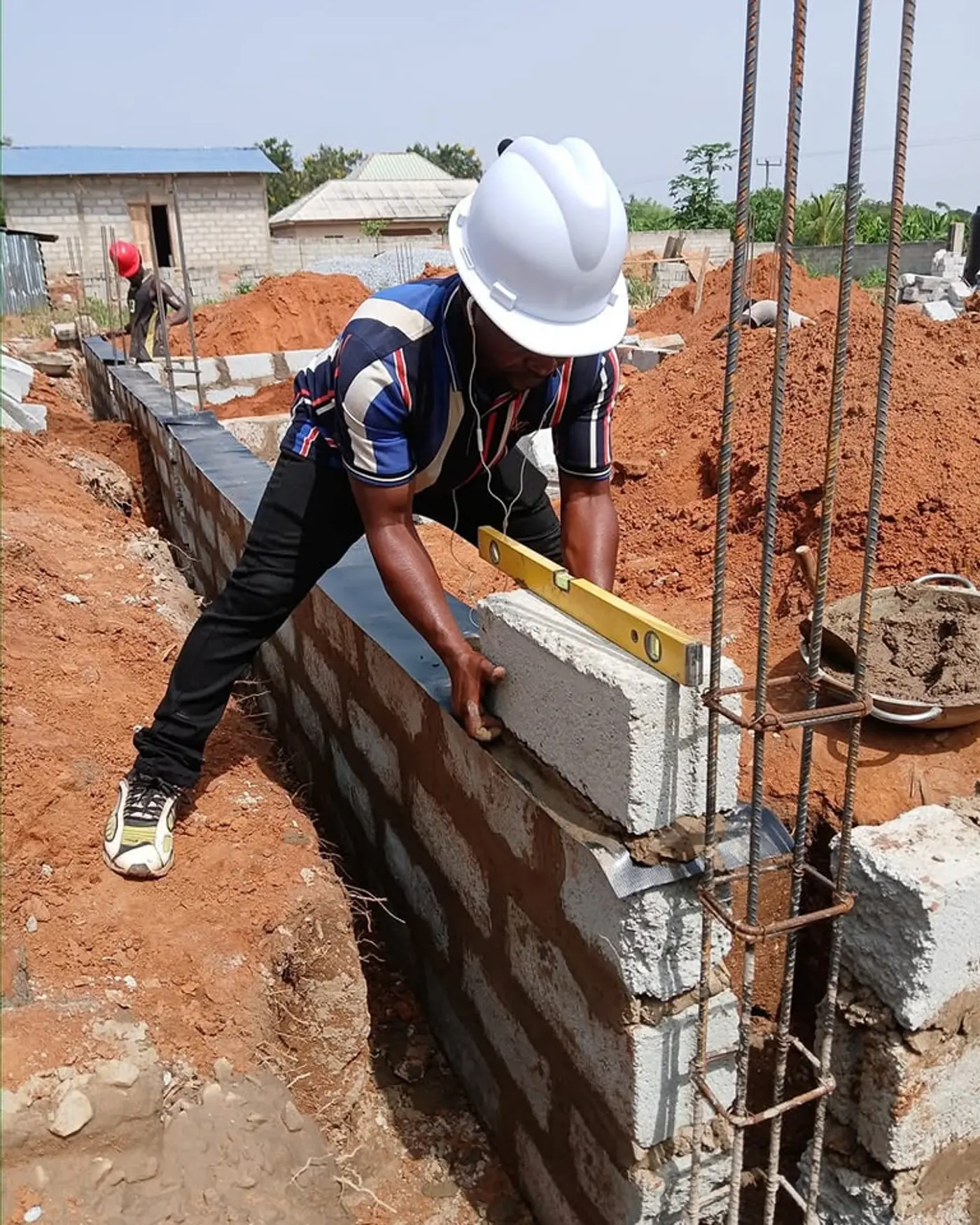
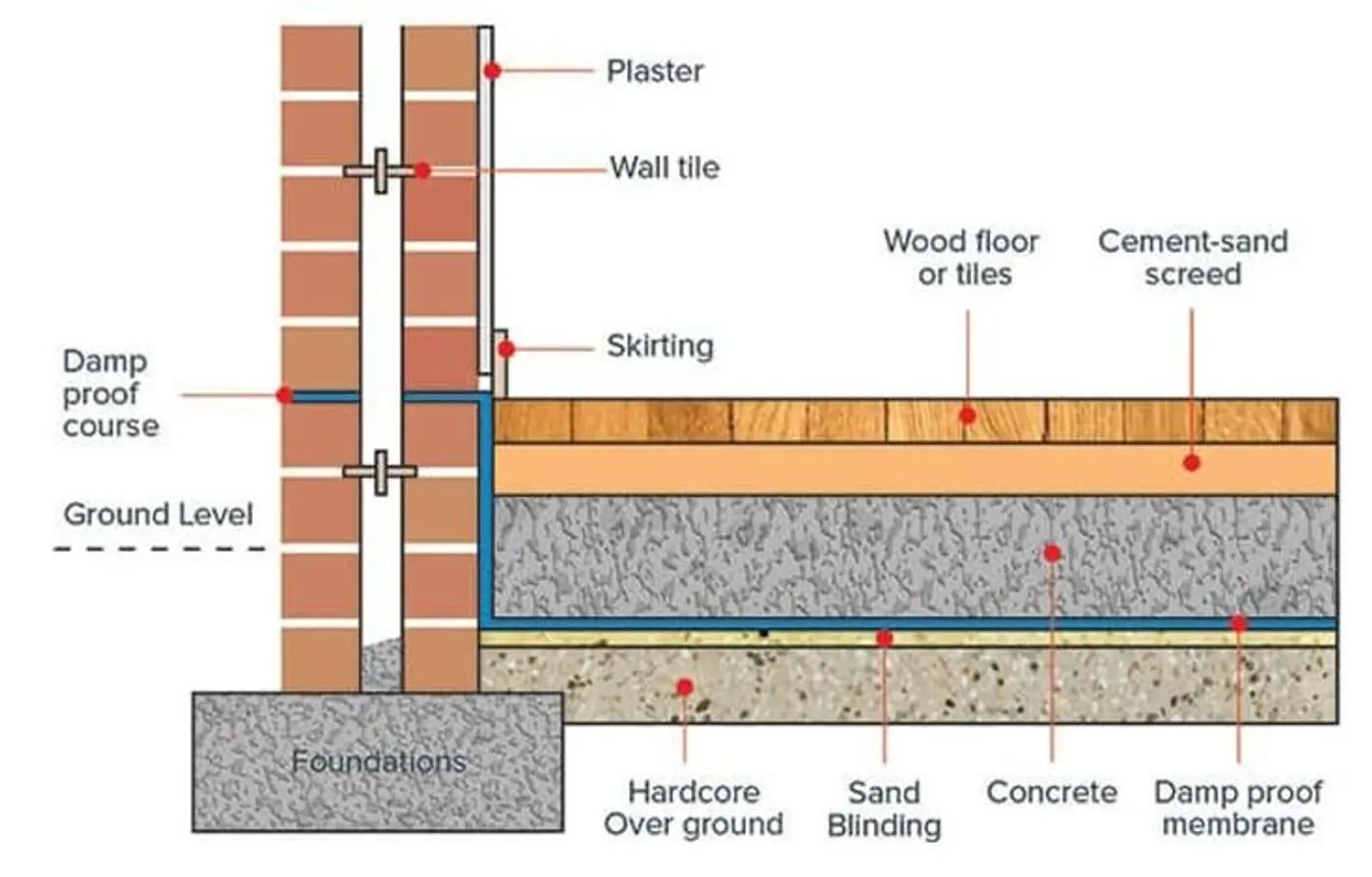
DPC stands for Damp Proof Course. It's a waterproof layer installed in your walls (usually between the foundation and the blocks) to stop water from the ground from rising up into your walls.
Think of it like a barrier that tells water: "You can come this far, but no further."
You might be wondering, "Water flows down, not up. So how does it get into my walls?"
Good question. This happens through something called capillary action.
Here's a simple explanation:
Your blocks and cement have tiny holes (like a sponge). Water from the ground gets sucked up through these tiny holes, moving upward against gravity. It's the same way a paper towel soaks up water when you dip the edge in a cup.
In your building:
DPC blocks this movement. It's a waterproof layer that water cannot pass through.
DPC is usually a thin sheet or membrane, typically made from:
Polythene (plastic) sheets: Black or blue plastic material, about 1000 gauge (1mm thick). This is the most common in Nigeria.
Bituminous felt: Looks like thick black paper soaked in tar. Less common now.
Slate or engineering bricks: Used in old buildings (expensive and rare in Nigeria).
The material is laid horizontally between your foundation and the first layer of blocks, creating a waterproof barrier all around your building.
DPC is installed at a specific height:
Standard position: 150mm (about 6 inches) above ground level.
Why 150mm above ground? Because:
If your area is prone to flooding or has very poor drainage, your engineer might recommend installing it higher.
Here's how Builder Adam from Stack and Stark (or any good builder) should install DPC:
Step 1: Complete the foundation Build your foundation up to the DPC level (usually the top of the foundation, just before you start laying blocks).
Step 2: Clean and level the surface Make sure the top of the foundation is clean, level, and smooth. Any sharp stones or rough edges can puncture the DPC.
Step 3: Lay mortar bed Apply a thin layer of mortar (about 10 to 15mm) on the foundation top.
Step 4: Lay the DPC material Unroll the DPC sheet and lay it on the wet mortar. Make sure it covers the full width of the wall with a small overhang (about 25mm on each side).
Step 5: Overlap joints properly Where two pieces of DPC meet, they must overlap by at least 100mm (4 inches). Some builders seal this overlap with bitumen for extra protection.
Step 6: Lay another mortar bed Apply another thin layer of mortar on top of the DPC.
Step 7: Continue with blockwork Start laying your blocks on top of the DPC as normal.
Critical: The DPC must be continuous all around your building. No gaps. No shortcuts. If there's a gap anywhere, water will find it and rise through.
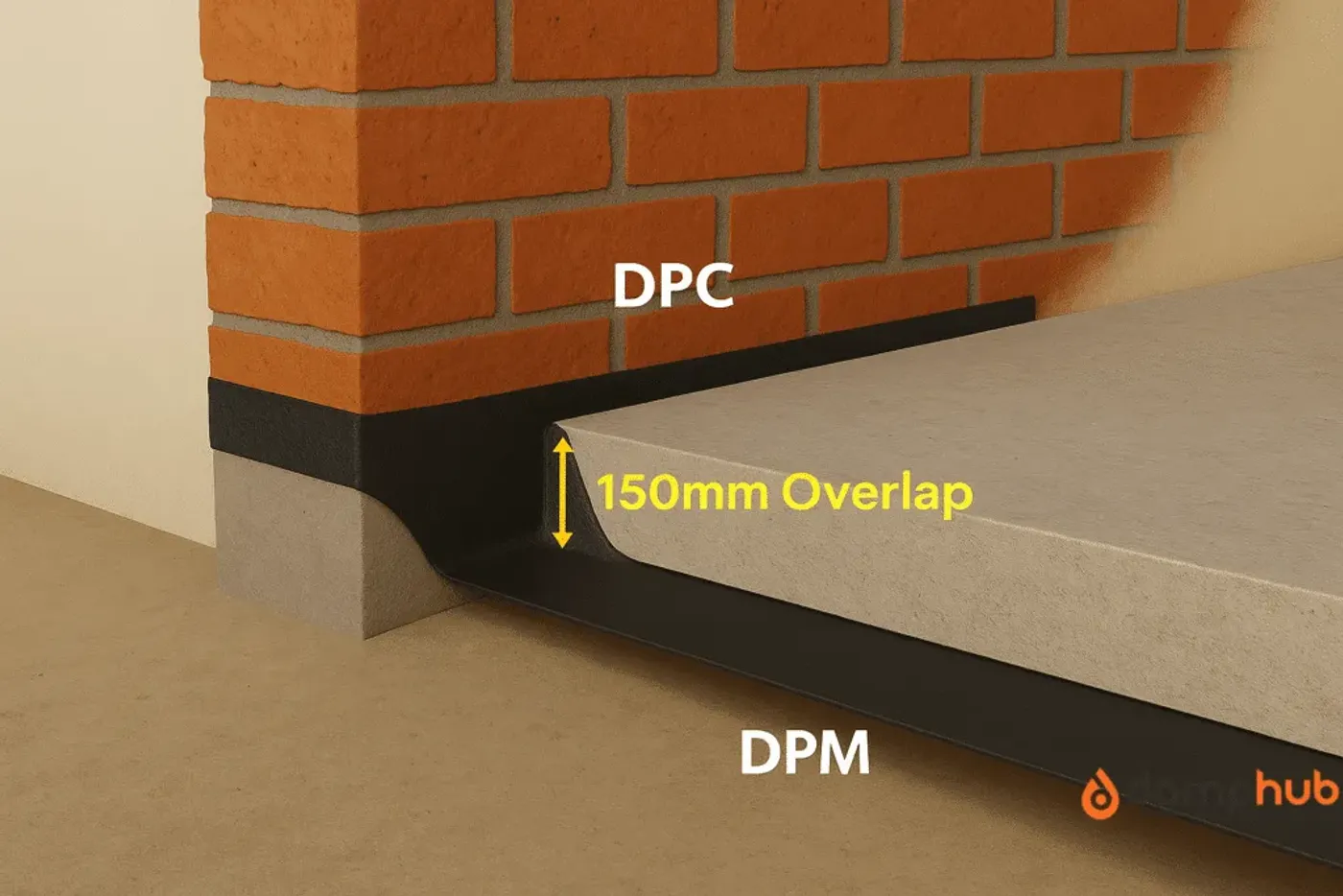
Many people confuse DPC and DPM. Let me clarify:
DPC (Damp Proof Course):
DPM (Damp Proof Membrane):
You need both. DPC protects your walls. DPM protects your floor. They work together to keep your entire building dry.
Honestly? Every building in Nigeria should have DPC. But it's especially critical in:
1. Low-lying areas and swamps Any area that was previously swampland, reclaimed land, or areas that flood during rainy season.
2. Areas with high water table If you dig 1 to 2 meters and you find water, your water table is high. You definitely need DPC.
3. Areas with poor drainage If water pools around buildings after rain and takes days to dry, you need DPC.
4. Riverine and coastal areas Anywhere near rivers, lagoons, or the ocean has high moisture in the ground.
But even in dry areas, you still need DPC because:
The most common and reliable option in Nigeria is:
1000 gauge (1mm) polythene DPC
Specifications:
Where to buy: Most good building material shops stock it. Brands like Elephant DPC, Mouka DPC are common in Nigeria.
What to avoid:
Quality check: When you buy DPC, it should be tough. Try to tear it with your hands. If it tears easily, it's not good quality.
1. Using the wrong material Some builders use thin plastic or even nylon bags. This doesn't work. Use proper 1000 gauge DPC.
2. Not overlapping joints properly Where DPC sheets meet, they must overlap at least 100mm. Some builders just place them edge to edge. Water will get through.
3. Installing DPC too low If DPC is at ground level or below, rain splash can still bring moisture above it. It should be 150mm above finished ground level.
4. Puncturing the DPC during installation Sharp stones, rough handling, or careless block laying can tear the DPC. Handle it carefully.
5. Not making it continuous Some people do DPC on external walls only and skip internal walls. Wrong. It should go all around, including internal walls.
6. Mixing DPC with DPM Some builders try to use DPM (the thick floor membrane) as DPC in walls. They're different products designed for different purposes. Use the right material for each.
If you're living in a house and suspect rising damp problems:
Early signs:
Advanced signs:
If you see these signs, don't ignore them. Call a professional to assess the damage and recommend solutions.
DPC is not optional. It's not a luxury. It's a basic requirement for any building in Nigeria.
Chief James told Biola to skip it to save money. Builder Adam warned her not to. She chose to listen to the wrong person, and it cost her dearly.
Don't be like Biola. Don't be like Chief James (who is secretly dealing with the same problem in his own house).
Listen to your builder when they recommend DPC. It's a small investment that will save you massive repair costs later.
Your house is probably your biggest investment. Protect it properly from day one.
Do you have questions about DPC? Are you currently building and unsure about something? Drop your questions in the comments below and I'll answer them.
Get an email when a new article is published.


Comments
Be the first to comment.